
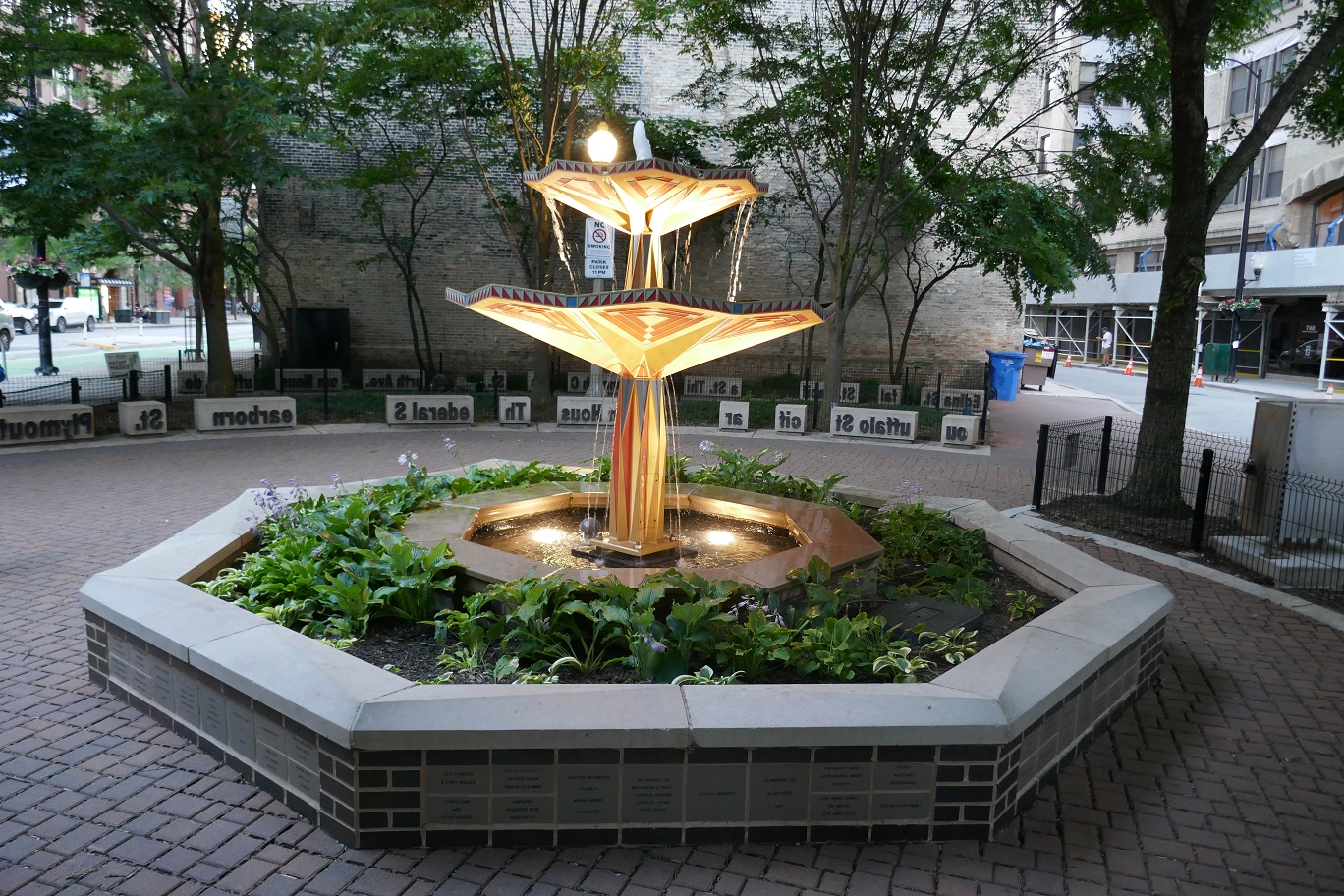

October 20, 2026 Vol.14 No. 12
41st Annual
The 2026 Printers Row Lit Fest is set for Saturday, September 12 & Sunday, September 13, 10AM – 6PM. This FREE event takes place on the streets of South Dearborn, from Ida B Wells to Polk St, Chicago, IL. Come Rain or Shine!
Page 2

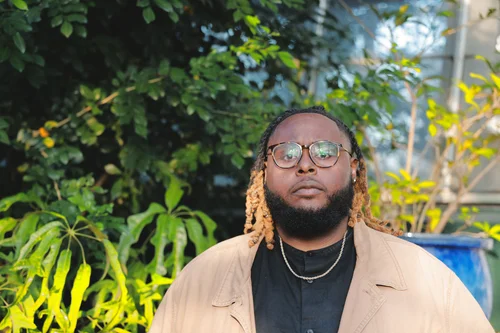
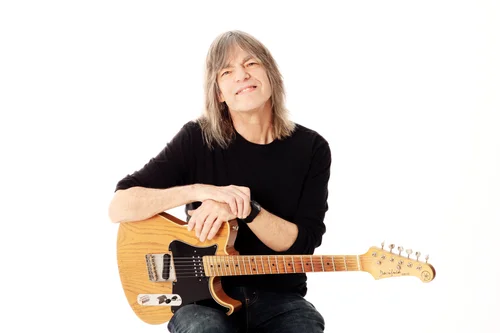

Thu-Sat, Sep 10-12, 8 & 10pm……………………………………………..Clark Sommers W’ba(sh)
Sun, Sep 13, 4pm & 8pm……………………………………………………..Clark Sommers W’ba(sh)
Mon, Sep 14, 7pm & 9pm……………………………………..………………Dan Kaufman Trio
Tue, Sep 15, 8pm & 10pm…………………………………………..…………Petra’s Recession Seven
Wed, Sep 16, 8pm & 10pm……………………………………………….Bethany Pickens
Thu-Sat, Sep 17-19, 8pm & 10pm…………………………..…………….Paul Marinaro Quartet
Sun, Sep 20, 4 pm & 8pm………………… ……………………….…………Paul Marinaro Quartet
Mon, Sep 21, 8pm & 10pm………………………………………..………..Al Jarreau Tribute featuring vocalist Bruce Henry
Tue, Sep 22, 8pm & 10pm……………………………………………………Jeremiah Hunt Quintet
Thu-Sat, Sep 24-26, 8pm & 10pm…………………………………..……Isaiah Spencer Quartet
Sun, Sep 27, 4pm & 8pm…………………………………………..…………Isaiah Spencer Quartet
Mon, Sep 28, 8pm & 10pm…………………………………..……………..Diego Hedez & Marion
Mallard Quartet
Tue, Sep 29, 8pm & 10pm…………………………………………………Steve Schneck Quartet
Wed, Sep 30, 8pm & 10pm………………………………………………Sabertooth Organ Quartet
Page 3
SOUTH LOOP NEIGHBORS
South Loop Neighbors is a non-profit membership based organization dedicated to enhancing the quality of life in South Loop’s neighborhoods and preserving the area’s landmark districts.
South Loop Neighbors represents South Loop residents who are concerned about:
· Ensuring high-quality, reasonably-sized real estate development as well as infrastructure
improvements that respect the unique character of our community
· Preserving and protecting the area’s Landmark Districts, including Printing House Row and
· Promoting quality education, recreation, services, retail, community activities, and events
Historic Michigan Boulevard
· Maintaining a socially, culturally, and economically diverse neighborhood
· Developing strong relationships with key city officials to ensure they respect, hear, and act on the concerns and ideas of the South Loop community. South Loop Neighbors serves members and residents within the area bounded by Ida B. Wells to approximately 25th Street and from the Chicago River to Lake Michigan. Www.Southloopneighbors.org
South Loop Neighbors
Elected board
President – Jim Wales
Vice President – Jack Chalabian
Secretary – Benjamin Cottrell
Treasurer – Rob Hard
Director—Susan Zinner
Director Planning & Development Tyler Jones
Director—Diana Turowski
Director—Paul Jacobs
Director—Lauren Pace

Page 4

A Vacation amidst a nor’easter
Saturday, October 2, 2026
My niece Alex said she was free the last weekend of September or two weekends in November for me to visit her in Boston. I chose September, anticipating warm, sunny days and needing just a light jacket at night.
Instead Boston got a nor’easter, a cyclone named for strong northeasterly winds hitting the Atlantic coast. The storm arrived on Saturday and lasted until Monday. Staying upright in 50 miles-per-hour wind was hard. Trying to walk a few feet from a restaurant to an Uber car, I was pushed back by gusts that turned my umbrella inside out and broke off the handle. Pelting, cold rain soaked my clothes and shoes and chilled me to the bone.
My itinerary was done for. I’d finished the Freedom Trail before the storm hit, saving other walks to do with Alex on the weekend: the Charles River Esplanade, the harbor, and the neighborhoods between the Public Garden and her South End apartment. We couldn’t stroll in a tempest.
Of course I’m not the first person to have the weather uproot vacation plans. The usual advice is to find indoor activities. Even going out to get to an indoor activity was an ordeal.
Alex and I spent most of Saturday, the storm’s peak, sitting and talking. At some point it dawned on me that I was enjoying myself more than I had sightseeing the previous two days while she worked. Alex was my reason for going to Boston for the third time. The walks really didn’t matter, although doing them with Alex would have been fun.
I also thought that this was a lesson in go-with-the-flow traveling. A quarter century ago I wrote a book, Midwest Passage, about attempting to slow down on vacation and not be ruled by itineraries. The goal is still a work in progress.
I have three trips planned for the next year. After that I’ll evaluate my desire to travel. A bigger consideration than disrupted plans is that I can’t keep moving from morning until evening as I used to.
No more must-sees are calling. Much of what people travel for, I have right at home. I don’t intend to stop taking advantage of the attractions of Chicago, where I can pace myself and make adjustments more easily. Plus, as a Chicago Greeter I have one of the best benefits of travel: meeting diverse people. People from all over the world come to us.
But back to the Boston trip. Other observations:
• Riding the MBTA was a pleasure. The trains are clean. Every time I got on a crowded bus or train, someone offered me a seat. Why isn’t that the case at home?
• Every tour I’ve ever had with a National Park Service ranger was excellent, and the one of the Freedom Trail was no exception. In just 75 minutes, the guide gave us a detailed history of pre-Revolution agitation in Boston.
• On previous visits I hadn’t learned about Boston’s role in the antislavery movement. It was not only the cradle of the Revolution but also a hotbed of abolition. William Lloyd Garrison, publisher of The Liberator newspaper and cofounder of the American Anti-Slavery Society, was notable among the many Bostonians supporting the cause.
• None of the tourist literature I saw mentioned three-decker homes, but noticing architecture comes automatically to a Chicagoan. Three-deckers are as much a signature feature of Boston as brick townhomes. A century or more old now, the wooden buildings with three identical stacked apartments gave working- and middle-class Bostonians a path to home ownership. A family lived in one apartment and rented out the other two.
• I saw dozens of people wearing Chicago Cubs shirts before the Cubs’ weekend series against the Red Sox in Boston. They must have seen Friday’s doubleheader but missed Saturday’s game, which was moved to St. Petersburg because of the nor’easter. I have company among Chicagoans disappointed by last weekend’s Boston weather.
Page 5
Peck & Peck
by Bonnie Garmus
Published: October 13, 2026
“Peck: to pierce; to kiss; to carp”
I must be the only person who hasn’t read Lessons in Chemistry by Bonnie Garmus, and I’m a bookseller! My brother raves about it, and it’s been on my TBR (To Be Read) list forever. The good news is that Garmus’s new novel, Peck & Peck, popped up on my bookseller’s list ahead of its October 13 release. Determined to finally read a Bonnie Garmus book, I dug in. What a joy!
By the age of seven, Batter Gray knew that all he wanted to do was read poetry. Never big on actually writing poetry, he devoured it, and the book leaves readers with an inspiring TBR of world-class poets. As for his unusual name, people always asked: Was your dad really into baseball? Did your mom love baking? You’ll have to read the book to learn where it really comes from.
The story is set in New York City in 1982, but I’d argue it’s really a bildungsroman because you get such a clear sense of Batter’s childhood and family history. Batter lands his dream job at Peck & Peck, the premier poetry publishing house, and experiences the crazy world of publishing firsthand. Twists and turns, love and death pepper the story of the rise and fall (and rise!) of this famous poetry quarterly.
BOOK REVIEW
Strong themes of family, twins and siblings, and good and evil make it a compelling read. But it isn’t all seriousness. Parts of this book are so funny. I loved Batter’s tell-it-like-it-is mom and his crazy boss; both made me laugh out loud. I learned so much about poetry: its forms, historic poets, and its many complex structures. Who knew that an anapest is a metrical foot of two unstressed syllables followed by a stressed one, and that when written in tetrameter, it sounds like galloping hooves? Although Batter has an extraordinary ear for poetry, he also questions its role in society and its place in literature. Given that he’s loved poetry since childhood, it’s no surprise which side prevails in this philosophical argument. Perhaps it’s time for me to take another look at poetry, and with Anne Carson winning the 2026 Nobel Prize in Literature, I know where I’m going to start.
hope you enjoy this feel-good literary novel that is sure to inform and amuse you!
Ellen Hanson Sandmeyer’s Book Store

Page 6
Regan Burke
Somatic (Trump) Healing
Healing from the
Trump Presidency
September 6, 2026
The 2020 Spring confluence of the Covid Shut Down and the Murder of George Floyd both sparked nationwide protests. As an old hippie, I uncharacteristically refrained from the George Floyd, anti-racist marches due to the possibility of covid-contaminated wandering spew. I confined myself to protesting by laptop day and night. On my newly-learned Zoom app, I heard Resma Menakem, psychotherapist and somatic practitioner, offer a description of white supremacy as told in his book, My Mother’s Hands.
Menakem writes that racism is a form of PTSD that resides in white European DNA. He suggests using body-centered awareness and movements to reduce the trauma and tension stored in the nervous system. With Zoom, I began leading a weekly online meditation group using simple breathing instructions. After I read My Mother’s Hands, I subconsciously expanded the instructions to include somatic thoughts and body-centered words.
In September 2026, my Zoom book group concluded a prolonged study of Resma Menakem’s book. As the weekly discussions progressed, I slowly became aware that his work has influenced the guided meditation I use to center us before our group discussions. I consider this gradual insight the most important dimension of our book group work. We may not “get it” right away, but the authors’ influence seeps in through contemplation.
On September 27, 2026, David Brooks talked to Ayad Akhtar on his podcast “The Permanent Questions.” Brooks labeled the session “What Is the Meaning of Mystical Experience?” And centered the discussion around Akhtar’s latest book, The Radiance: A Novel.
Akhtar, my favorite new atheist, revealed that he has a practice that has no words, like a somatic practice of walking in the woods or staring at a sleeping cat. He clearly expects to have transcendent experiences in this practice and used the telling of it to let us know there is a certain spiritual life beyond, or more precisely, without, religion.

I don’t know about you, but deep transcendent experiences, are flittering away these days. The sight of a monarch butterfly is a momentary, rather than a mystical, thrill because we’re told they are disappearing because of us. Happiness, peace, tranquility are fleeting surface emotions. It’s as if Trumpism has physically removed them from my psyche, excised them from my soul. The longing for them has not, however, evaporated. Ayad Akhtar expresses this as the ultimate human emotion — the longing for it.
“Firing Line” host Margaret Hoover asked foreign affairs scholar and measured journalist Anne Applebaum, “If architecture expresses political values, what should the next president of the United States do with the ballroom?”
Applebaum, a Washington DC native, reacted with visible somatic emotion, “Knock it down.”
She’s longing for it. The bodily return to normalcy. Me too. Ayad Akhtar’s novel has the promise of ushering in spiritual relief, regulated breathing, reduced back pain and a quieter stomach—without religion or God.
Walking my dog Elsa does that too.

Page 7
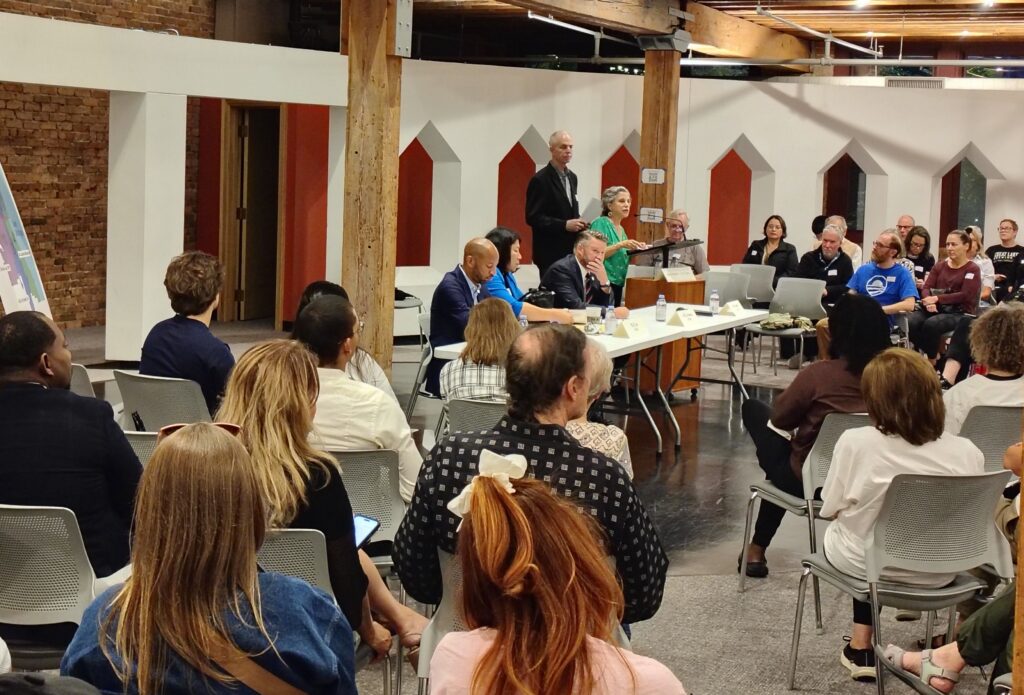
Summary of One Community Near South Meeting
RSVP here for our next meeting, October 27. We are working with Ald. Dowell to make this the date we convene the necessary officials from the city and Related Midwest to fully drill down on our traffic management concerns related to the Chicago Fire stadium under construction at The 78 and also potential White Sox stadium across the river. Please share this RSVP link with neighbors: https://tinyurl.com/OctMeet2026
Hi, Neighbors—
Thanks to all who packed the room for our Fall Alder Forum, to the Alders for again participating in a frank conversation, to guest moderator Eric Zorn (subscribe here https://ericzorn.substack.com/ to his excellent, free, twice-weekly newsletter) and to the many volunteers who made this possible. Did you attend? Please reply to the group to share your take-aways.
Many thanks to Carrie Dahlquist for the summary below as well as the itemized next steps. We’ll discuss them at future meetings and, in the meantime, welcome volunteers for each item.
Delighted to report that Ald. Dowell stepped up the very next morning on item #4, offering to coordinate a meeting focusing on traffic management around developments at The 78, bringing together officials from CDOT, the consultant who prepared the traffic study for the Chicago Fire, OEMC, a South Loop Neighbors representative versed on the Connector/bus rapid transit proposal and any other necessary participants. More info as this plan comes together, ideally at our Oct 27 meeting.
This is exactly how our members have asked that these Forums work. That is, we use these meetings to understand the views of all four Alders impacting our community, and to share our views with them. Then, we want to work together with our Alders to bring subject matter experts into follow-up meetings to zero in on solutions and next steps related to major issues raised at the Forums. We are grateful to Ald. Dowell for her offer to help do that to better understand traffic management options in and around The 78.
In the meantime, enjoy these photos from Allan Hippensteel, Liz Wallace, and Connie Murray. Take a look at the next steps and the summary below, and share your feedback, ideas, and concerns. NOTE: this mail is set up to reply only to Marj to avoid overloading your inboxes with direct responses. But we know there’s great interest in your feedback on these issues so recommend you set your reply to the full group when of general interest. And, be sure to RSVP here for our next meeting, October 27 and share this RSVP link with neighbors: https://tinyurl.com/OctMeet2026
Marj & the One Community Team
NEXT STEPS
- Obtain and publicly share Amtrak’s environmental reviews of a potential new site, including noise, vibration, air-quality, and operational analyses.
- Pursue an independent third-party environmental impact study of the Amtrak plan using current site conditions as the baseline.
- Hold the requested City Council subject-matter hearing on the proposed Amtrak relocation and clarify local options despite federal exclusions for certain review studies.
- Coordinate with Ald. Dowell to schedule a dedicated traffic impact meeting with Chicago transportation officials, bridge experts, Chicago Fire representatives, alderpersons, and community members, related to developments at and near The 78.
- Advance and fund a feasibility study for the Roosevelt Road bus rapid transit proposal, including cost, route, frequency, ridership, governance, and game-day impacts.
- Request the financial model for the taxpayer-funded parking facility at the Fire stadium, including projected revenue, operating assumptions, repayment terms, and break-even timing.
- Clarify the process and viable locations for a South Loop high school, as well as a strategy for community members to influence Chicago Public Schools officials, the elected school board, the Mayor, and state partners.
- Develop a coordinated public safety improvement plan for Roosevelt CTA, Jewel, and its Wabash sidewalk, clearly assigning responsibility among the City, police, sheriff’s office, CTA, and Jewel.
- Continue work on connected bike and pedestrian infrastructure, including broader corridor-level planning as well as technical review to alleviate the dangerous bike and pedestrian crossing at State and 13th.
- Provide the Alders with unanswered audience questions that could not be addressed during the forum, for further review and response.
FORUM SUMMARY
Summary of the ONE COMMUNITY NEAR SOUTH 9/29/26 ALDER Forum
On September 29, approximately 140 residents gathered at Grace Place for a community forum with Alds. Lamont Robinson, Nicole Lee, Bill Conway, and Pat Dowell. Because attendance exceeded expectations, the event was moved from the general-purpose room to the sanctuary. The discussion covered major development and quality-of-life issues affecting the South Loop and surrounding neighborhoods, including the proposed relocation of Amtrak’s maintenance operations, plans for The 78 and potential White Sox and Chicago Fire stadium development, Roosevelt Road traffic and transit, a possible South Loop high school, housing affordability, public safety, and bike and pedestrian infrastructure.
AMTRACK RAIL YARD
Amtrak’s proposed relocation of its maintenance operations emerged as the most urgent and contentious issue. Ald. Lee strongly opposed moving the facility from its current industrial location to the Union Pacific yard near thousands of residents. She and residents raised concerns about placing a 24-hour industrial operation close to homes, including potential noise, vibration, diesel fuel, air-quality, traffic, and property-value impacts. They also object to limited public disclosure and community engagement, Amtrak’s reported ability to bypass local zoning through federal authority, and the lack of a publicly available independent environmental impact study. Alds. Dowell, Robinson, and Conway supported Lee’s opposition and call for further City Council review. The proposal is closely tied to plans for a possible new White Sox stadium west of the river across from The 78.
The 78
Discussion of The 78 reflected a broader tension running through the Forum:
residents generally support investment and development, but they want infrastructure, financial assumptions, and neighborhood impacts addressed before projects move forward. Questions focused on traffic along Roosevelt Rd, the age and capacity of the Roosevelt Rd bridge, and the combined impact of the new Chicago Fire stadium and a possible 35,000- to 38,000-seat baseball stadium. Residents also asked for more information about the taxpayer-funded parking facility, including its projected revenue and break-even period. Ald. Dowell offered to participate in a separate meeting with Chicago Department of Transportation representatives and the Chicago Fire’s traffic-planning team, but no detailed financial analysis of the parking facility was provided during the forum.
ROOSEVELT CIRCULATOR/BUS RAPID TRANSIT STUDY
A feasibility study for the Roosevelt Rd transit connection proposed by South Loop Neighbors received broad support from the alderpersons. The concept would study a bus rapid transit route linking the Ogilvie and Union Station area with Roosevelt Rd, The 78, and Museum Campus area. Ald. Dowell said she had asked city departments to identify funding for the feasibility study, potentially through the upcoming city budget or tax increment financing funds. Although participants supported this feasibility study, important questions remain about cost, route governance, service frequency, ridership, and coordination with NITA, the Northern Illinois Transit Authority which recently replaced the Regional Transit Authority (RTA).
NEAR SOUTH HIGH SCHOOL
The forum also returned to the long-standing goal of a Near South high school. Ald. Dowell reiterated her support but clarified that the approved plan for The 78 does not include a school. She identified One Central as a possible location, although some community members questioned whether that site would adequately serve the residential Near South. Ald. Dowell suggested moving the idea forward would require support from the Mayor, Chicago Public Schools leadership, the elected school board, and potentially the Chicago Teachers Union. State funding may be available, but the location and political path remain unresolved. Answering an attendee’s follow up, Dowell explained the Mayor (and City Council) could have a role if the new school needed zoning or other building approvals.
HOUSING AFFORDABILITY
In a wider discussion about how Chicago approves and supports development, the Alders agreed the city needs substantially more housing and that its approval process is too complicated. They pointed to several possible strategies, including consolidating city reviews, converting vacant commercial buildings to housing, rehabilitating vacant properties, increasing density near transit, developing underused public sites, and securing affordable units when developers seek zoning changes, city land, or public funding. Potential South Loop opportunities mentioned included the former armory, the Burger King property on Michigan Avenue, and vacant land near 22nd and State. While the need for more housing was broadly shared, limited land, infrastructure constraints, procedural complexity, and disagreements over location continue to slow progress.
PUBLIC SAFETY
Public safety concerns were concentrated around the Roosevelt CTA station, Jewel, and the adjacent Wabash sidewalk. Residents described problems with cleanliness, lighting, blocked sidewalks, and conditions involving unhoused individuals. Ald. Conway acknowledged that the sheriff’s satellite presence had not been as effective as he expected and described coordination problems among the City, police, the sheriff’s office, and Jewel, particularly because portions of the affected area are privately owned and the store needs to file complaints and follow up in court. A broader discussion with Jewel and law-enforcement partners was identified as the next step.
MOTORCYCLE CARAVANS
Residents also remained frustrated by motorcycle caravans and noise. Ald. Conway said an automated-enforcement pilot did not advance because it lacked support from the Mayor’s office, while Ald. Dowell noted the City Council had approved stronger penalties and authority to confiscate illegal vehicles. Police representatives explained that pursuits, roadblocks, and spike strips are generally avoided because of the safety risks, leaving residents dissatisfied with the current enforcement options.
BIKE LANES AND PEDESTRIAN SAFETY
Here, the Alders agreed on the need for safer infrastructure and agreed projects should form a connected network and be planned at the corridor or neighborhood level rather than block by block. Currently established bike lanes make that coordinated process a challenge. They also stressed the need for meaningful community and business input and for designs that account for driveways, alleys, parking, turning movements, transit, and accessibility. A pedestrian beacon, stop sign, or another safety improvement at State and 13th was raised for technical review.
Across these issues, transparency and coordinated planning were the clearest themes. Residents and Alders repeatedly called for independent analysis, public information, and meaningful engagement before major development and infrastructure decisions are finalized. The Alders showed a relatively united position against the proposed Amtrak relocation, even as questions remain about the City’s authority in the face of federal preemption. The conversation also underscored that transportation planning must precede development and consider traffic, transit, bridge capacity, pedestrian access, and bicycle connections together rather than project by project.
Several of the most important questions remain unanswered because they require technical, environmental, legal, or financial study and further public input. It did, however, reinforce residents’ view that the South Loop, Chinatown, Bronzeville, Bridgeport, Armour Square, and surrounding neighborhoods are interconnected and should be considered as one region when decisions are made.
Marj Halperin

Page 8


Editor’s Letter: October 2026
BY BRIAN HIEGGELKE | September 30, 2026
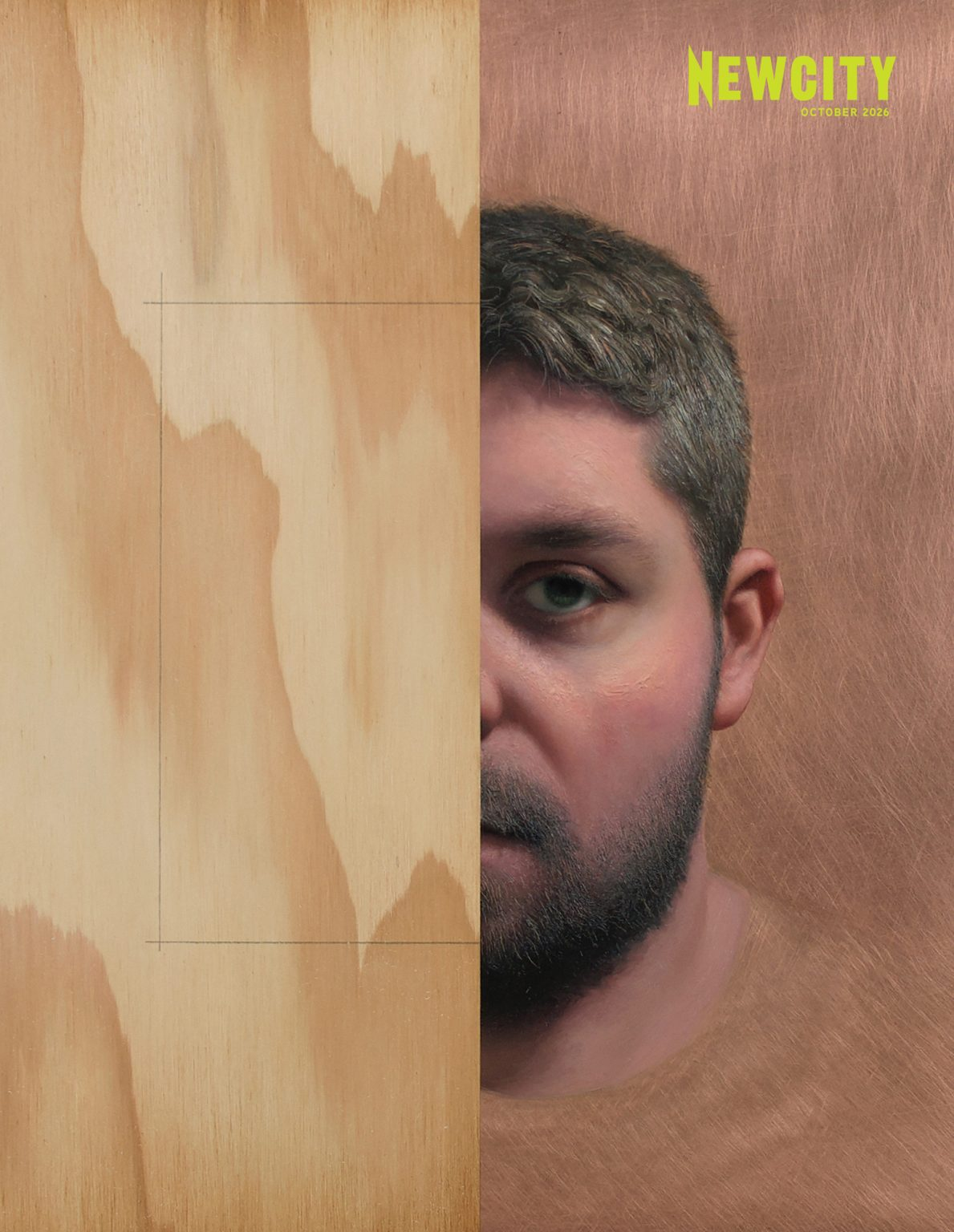
Anthony Adcock, “Veneer,” oil on copper
It’s a beautiful September morning as we put the finishing touches on this October edition, a morning very much like the one precisely twenty-five years ago to the day, when the events of September 11 forever made beautiful mornings faintly fragrant with foreboding.
Outside my window, workers are assembling the infrastructure for this weekend’s Printers Row Lit Fest, a favorite annual summer event nudged away from its longtime June berth by a pandemic, from which those of us who survived have not really fully recovered, six years after its peak.
That tug-of-war, between the joys of life and its darker shadows, defines the month of October.
Days of wondrous weather like today are counted down in a month that comes in like an autumnal lamb and goes out like a lion in winter.
When I was writing this in September, we had sports euphoria in Chicago—the Cubs and the Sox are—so far!—playoff bound, and the anticipation of another great Bears season overshadows the collective misery its ownership is imposing on its fans through its continual threats to move away from them. In October, we’ll know, for better or worse, usually for worse, how all of our teams are faring.
—BRIAN HIEGGELKE
Look for Newcity’s October 2026 print edition at Chicago-area locations this week or subscribe to the print edition at Newcityshop.com.
Perhaps most of all, this year in particular, we’re in between the blissful selective amnesia of summer and the reality of November’s fraught midterm elections, which may hold the very future of democracy in America in the balance.
One thing we’re not in between is the season of culture, which started last month and thrives in October.
The arts offer us comfort, catharsis and, perhaps, comprehension of a life that otherwise grows more and more bewildering with each passing year.
IN THIS ISSUE
Modern Gothic
An art tour of the University Club of Chicago
To Catch a Shooting Star
How the CSO found (and won) Klaus Mäkelä
Heartland Gemütlichkeit
Eating my way along the Midwest German Trail
Picturing Truth
The quiet resurgence of realism
Neoretrofutureoptimism
At Turf’s new Chicago showroom, acoustic performance becomes immersive
Always Broke, Never BoringRemembering the glory days of the Organic Theater
Medicaid Office
A new comic by Chana Goldbloom
AND
Poetry
“Ghost Trees”
A new poem by Christina Pugh
And so much more…

Page
1968
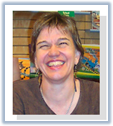
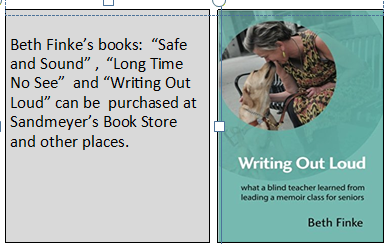
by Beth Finke
MY RESPECT FOR the writers in my class grows. They are, after all, older and wiser than I am, and they like having plenty of room to interpret subjects in their own way.
Knowing that many of the writers were young adults in Chicago back then, I assign the topic “1968.” Few of them choose to write about the Democratic convention that year. “We had jobs, “one of them scoffs. “We couldn’t take off work to go downtown and bother with that mess.” Their essays definitely speak of the times, though.
From Tom’s essay we learn that he grew up on Chicago’s South Side, where he and his wife were raising their three boys in 1968. Their oldest son would be starting high school that year, and as Tom delicately puts it, the neighborhood was “changing.” Tuition was so high at the Catholic high school that he and his wife opted to move their family to the suburbs.
Gwen reads next. She and her husband had also decided to move their family to a new house in 1968.
“On the day of the closing we took our sons out to see their new home,” she reads, explaining it was located in the Rosemoor neighborhood on Chicago’s far South Side. “Our boys were excited to have a larger home, although they didn’t want to leave their friends. My husband and I were happy that the house had been vacated by the former owners and we had immediate possession.”
But Gwen’s husband called her at work the next day with disturbing news. Someone had tossed a chemical into their house – the chemical simmered throughout the night, eventually burning through the floor. A worker from People’s Gas Company who had been sent out to take a final meter reading the next morning noticed the windows were all black from the smoke. He called the fire department.
“The fireman, who knew how to enter a burning house, told us that if we had opened a door, the house would have exploded and been completely destroyed,” Gwen writes. “We were completely unaware that we were the first Black family to move into that block. Had we known, we would have skipped that area. I did not want to put my children in danger.”
Their three-year-old was afraid to enter the house, so the family moved into Gwen’s brother’s attic for a few weeks.untilher husband decided it was time to clean up the house and move in. He checked on it every evening during the process, hoping the culprits would return.
“But of course the didn’t,” Gwen reads. “And I was glad, I didn’t want a confrontation.”
After about a year, the family finally moved in. But Gwen tells us it took a long, long time before they could relax in the house. “It seemed that every time we started feeling comfortable there, the weather would turn humid and the smoke smell would seep down from the attic.” They lived there for 20 years, and after the kids were grown they moved to the south suburbs.
Gwen can barely speak for sobbing, but as she near the end of her essay, she straightens herself, catches her breath, and finishes without a hint of anger or bitterness: “We cannot allow the actions of a few to poison our minds and cause us to react in a manner that would be completely contradictory to what Martin Luther King and other Black leaders have preached and marched against.”
When Gwen is finished reading, Tom says he thought that kind of thing had ended long before then. He had no idea people were still burning houses down like that in 1968. A quiet chorus of “Uh huhs” rises from the other South-Siders in class. Gwen says she’d buried this whole ordeal deep inside until I gave the assignment to write about 1968. “It all came back to me then,” she says.
Change of pace: Louise reads next. By now I know to expect that she didn’t follow my assignment. She always writes on the same subject: her son. Each time it’s her turn to read, she shifts in her chair and ceremoniously gathers her papers as if she’s about to give a presidential address. Instead of the State of the Union, though, we hear about the state of her clever son. Each piece is more dramatic than the last, and now that her tooth is fixed, she can read with flourish.
It didn’t take a psychic to read the other students’ thoughts. Oh no, they were thinking. Here we go again, another essay about that son of hers, and Beth’s too
chicken to tell her to stick to the topic. Chairs would creak. Ida would harrumph. “him again,” Alice would mutter.
This week is no different. Louise’s story gets off to a slow start, and in an effort to speed things along, Lita picks up her papers and arranges them over and over. And over. And over. Finally satisfied, she uses the tabletop to level the stack. It isn’t easy to hear Louise above the din, but when her tone suddenly changes we all fall silent and listen.
On what would be her last day in class, Louise reads a different kind of story about her son. A son who suffered from alcoholism. A son who, in his 30s, surrendered the battle and returned home to live with his mama. A son who died at home, under her care, less than a year ago.
The pack of Kleenex Louise had used weeks ago to cover her missing tooth comes in handy once again. As she concludes her essay, she begins to weep.
In talks I give about memoir writing at conferences and writes workshops, I evangelize about the power of writing, how it can be therapeutic, how writing can help bring order and clarity to messy and chaotic lives. But the messy and chaotic experiences in my own life can’t compare with the ones I am hearing about in class. I haven’t buried a son. My mother did not die after rescuing me from a fire and returning for my baby brother.
The class is very still. Silence makes me nervous – I feel a compulsion to break it. Searching desperately for a line from my “Writing as Therapy” speeches, I ask the writers who shared stories of personal tragedy if getting those stories down on paper helped at all.
Louise doesn’t answer my question. She simply shoves the papers my way and says, “I want you to get this one published.” I thank her, grab the sheets of paper, and stuff them in my bag.
I turn to another spot at the table. “How about you, Alice?”
It has been weeks since we’d learned that a house fire had killed her mother and baby brother. I ask her if writing about that had been cathartic at all. When she doesn’t answer, I bite my tongue, resisting the temptation to break the silence. “Yeah,” she finally says. And then, “I guess so.”
Hardly convincing. “I guess it’s good to have it in writing?” I ask. She concedes.
Viewing her indifference as a sign she doesn’t want to dig deeper, I turn to face the other students and remind them I can’t see Alice. “Can you tell from looking at her that she was in a fire?”
A chorus of no’s rings out. One woman says, “She’s beautiful.”
Alice seems pleased to hear that. She starts rolling up one of her blouse sleeves. “I still have scars,” she says, showing them to the class.
Taking this as my cue to assign a lighter topic, I think quickly. Something about love, maybe. “How I Met Your Dad.” No, some of the women in the class never married. Some don’t have children. And what would Tom write? I need something more generic.
“Okay, everybody ready?” I ask. “For next week, I need you to fill in the blank. The assignment is: “How ______ and I Became Friends.”
“You can fill in the blank with a thing if you want. ‘How Chocolate and I Became Friends.’ Fill in the blank.”
To write this one, I suggest they find a place to get comfortable. “Close your eyes and relax before writing anything down,” I say, encouraging my writers to replace the noises of the outside world with the sounds they might have been hearing when this friendship began. I want them to think of songs from that time, what the weather was like when the friendship blossomed, how it felt, how it felt to think they’d made a new friend.
“Then, and only then, open your eyes,” I say. “you’ll be ready to write.”
Marj & the
One Community Team
Page
Next CAPS Meeting 6pm
Nov 11 In-person
Roosevelt Collection
$405,000

Page
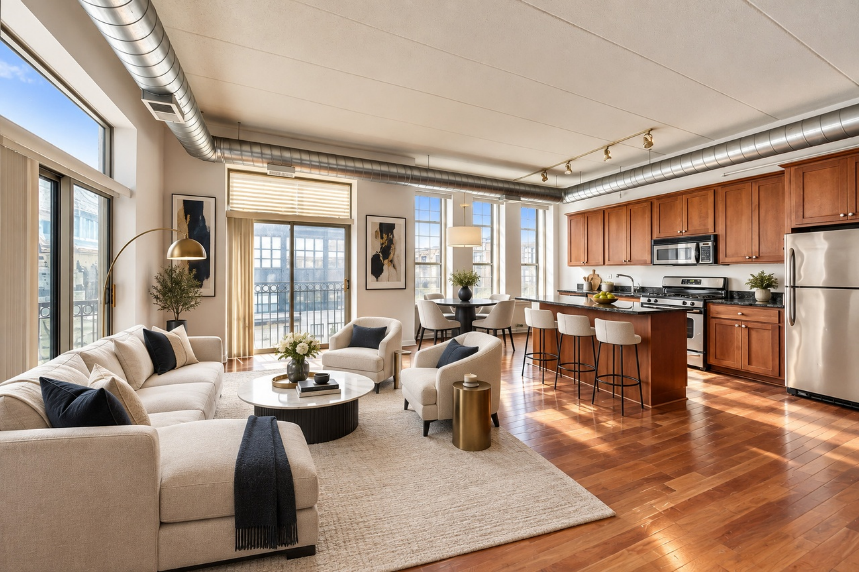
1919 S Michigan Ave#302
2 bed/ 2 bath 1100 Sq Ft
$329,900 HOA $626
Akos Straub
Tavola Realty
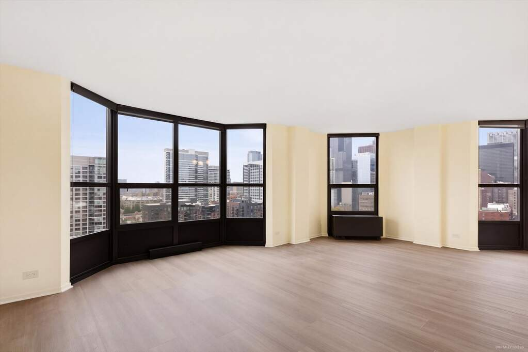
901 S Plymouth Ct #1905
2 bed/ 1 1/2 bath 1250 Sq Ft
$347,500 HOA $892
Tom Palman
@properties
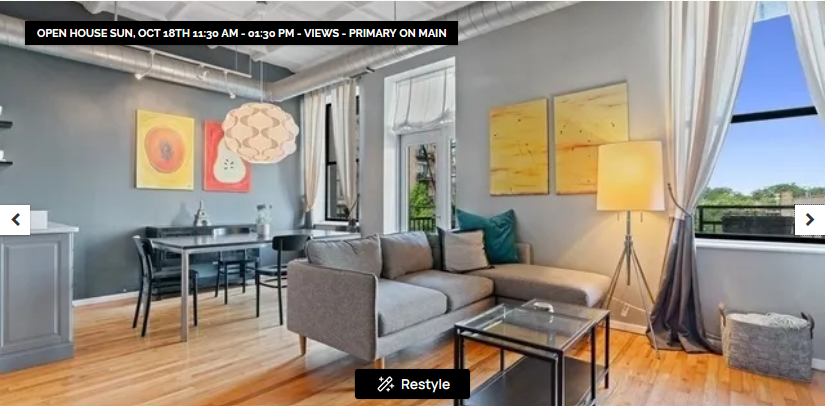
1307 S Wabash Ave #312
2 bed/ 1 1/2bath 1128 Sq Ft
$359,000 HOA $516
Susan Dickman
Berkshire Hathaway
847.496.9447